This past November, we tried out a new scheduling model aimed at increasing learning opportunities and adding some sanity into the daily routines of students. With fewer transitions and fewer subjects to prepare for each night, our hope was that we would see an increase in the quality of student work, an easier adoption of pedagogical methods proven to promote student engagement, and healthier sleep and study habits. We designed Wednesday mini-course to allow students to make better use of the resources we have on Long Island and in the city. Students signed up for three-week all-day courses in areas of their passions. Some stayed on campus to participate in interdisciplinary, project-based learning, while others went off campus to sites in New York City, Connecticut, and all over Long Island. Two groups even worked with professors at Stony Brook University across the street.
Student Feedback
Student survey results from 120 students showed strong support for the new model, with 80% saying they believed they learned the same amount or more, 92% claiming the pace was as or more manageable, and 80% saying they experienced somewhat less or much less anxiety. 91% said they got as much or more sleep each night. 86% reported good to excellent quality on the mini-courses (41% giving their course the highest rating), a testament to our teachers’ creativity and commitment. On the whole, 74% of the students preferred the new schedule to the old, with 13% neutral and 13% preferring the current year’s model.
Student feedback was very thoughtful. Below are some representative quotes in favor of the new model:
I was able to focus more in class due to the extended time per class. Also when doing homework I was able to put more time into each subject rather then rushing to try and finish all of them in one night.
The new schedule has enabled me to concentrate on one specific subject for a prolonged and much more dedicated period of time, which has greatly enhanced the amount of material I have learnt and UNDERSTOOD. Plus, the new schedule made my days a lot less stressful, which also helped a lot.
I feel that I was able to learn more in the new schedule, due to the fact that there are less transition periods. The longer class periods also give us time to engage in group projects, which personally help me understand the concepts better.I would say we learned about the same amount, it just wasn’t spread out over several days. I was surprised, I didn’t think we would get a lot done.
I thought I wouldn’t be able to concentrate through all the block periods but I surprised myself by doing so. I thought that the longer block periods actually helped me learn more since the teacher had more time to explain topics and answer questions.
A few students provided helpful negative feedback as well, as represented below:
I feel that it was harder to remember what we learned in the first class of the week because it was such a long span of where your main focus was on other classes.
Some courses require shorter, more frequent periods of meeting (science, some math courses, some history courses) in order to instill the knowledge into the students.
It is true that we can learn more during class period, but since we only have each subject twice a week, I feel like I’m not really learning continuously because of the 2-day gap between every class.
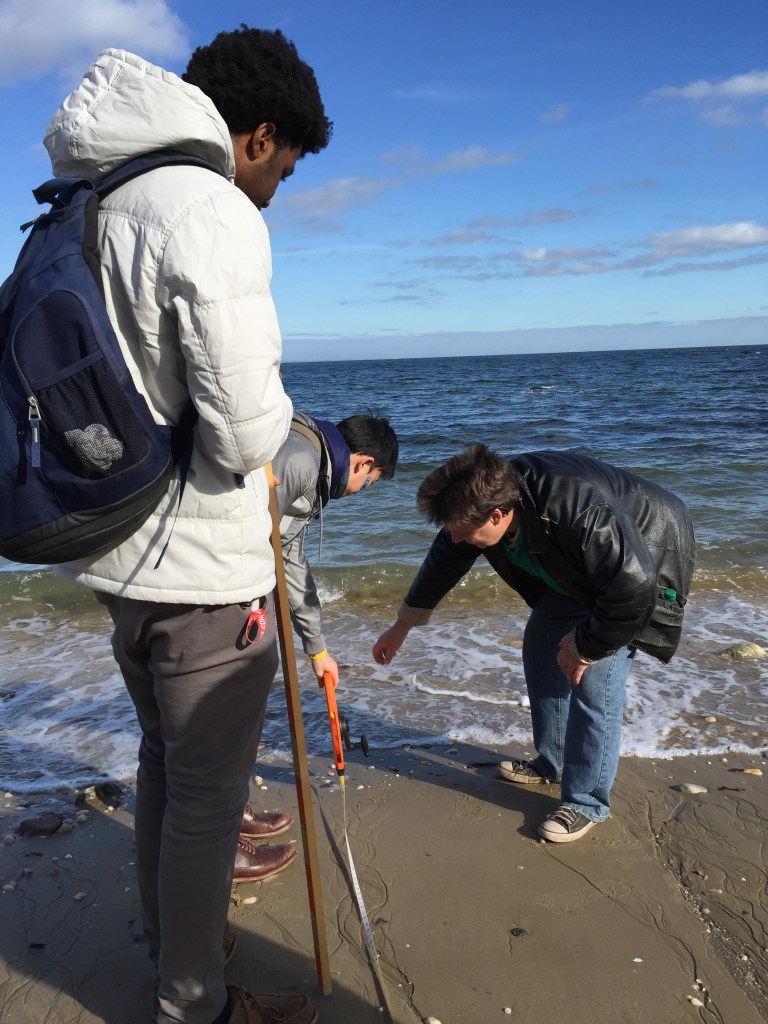
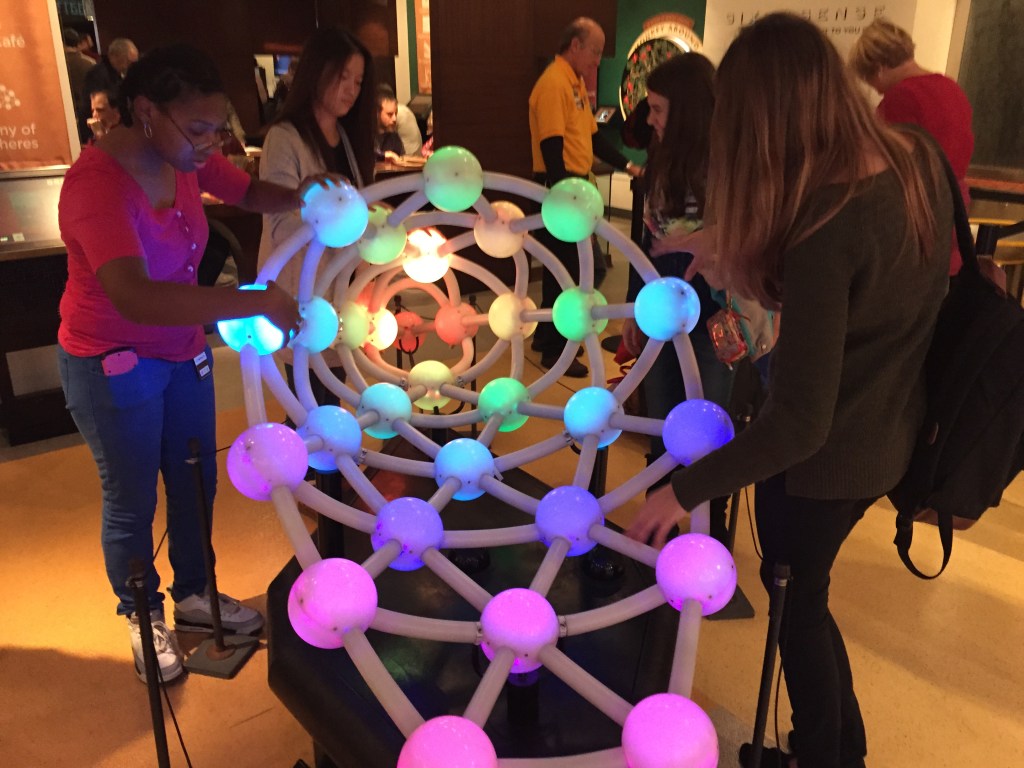
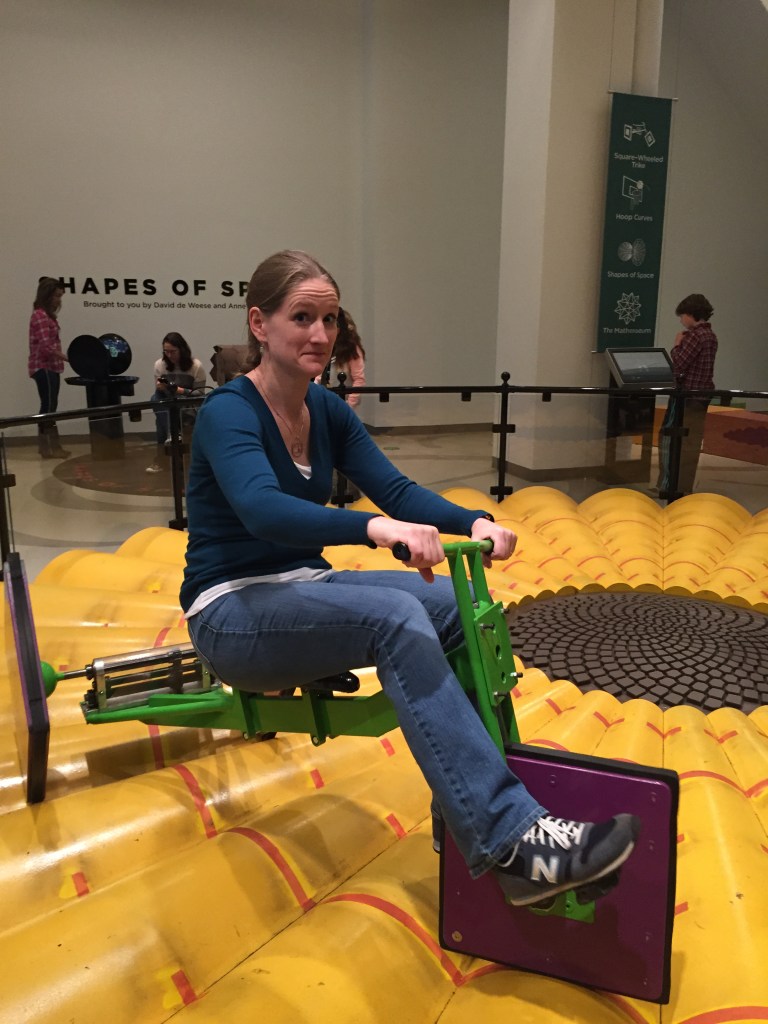
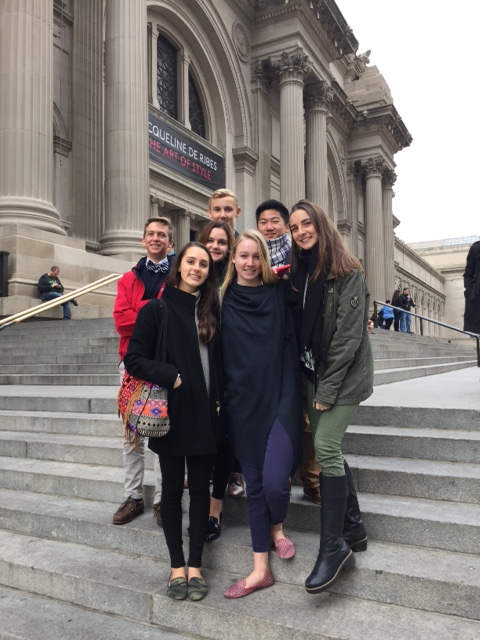
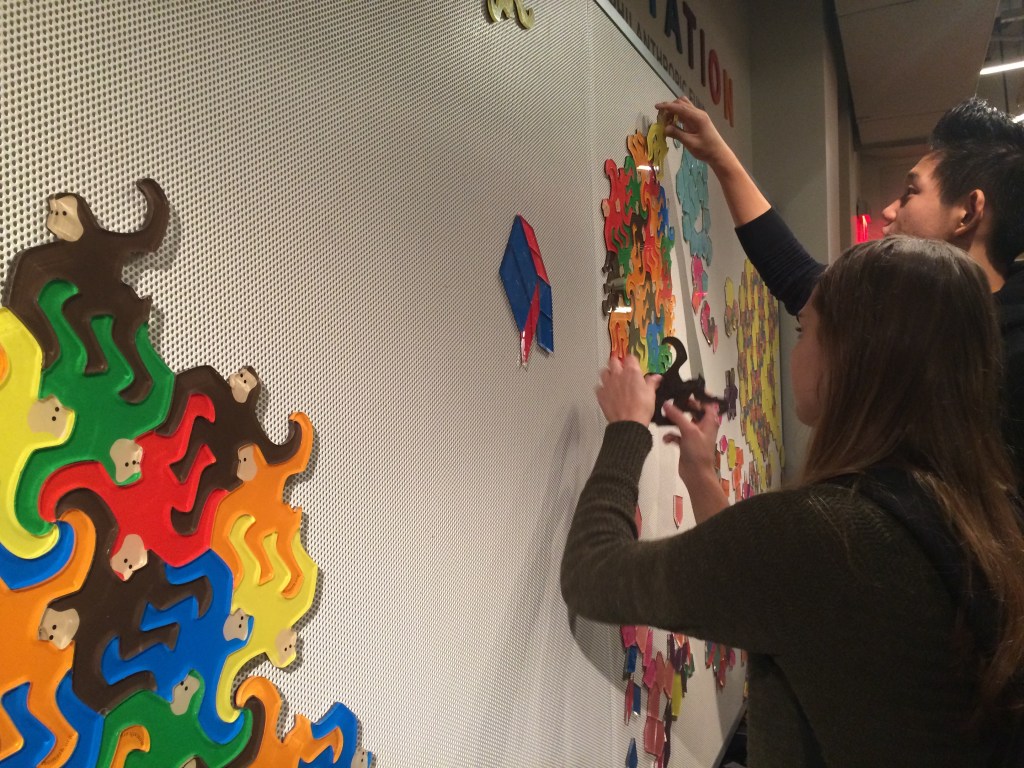
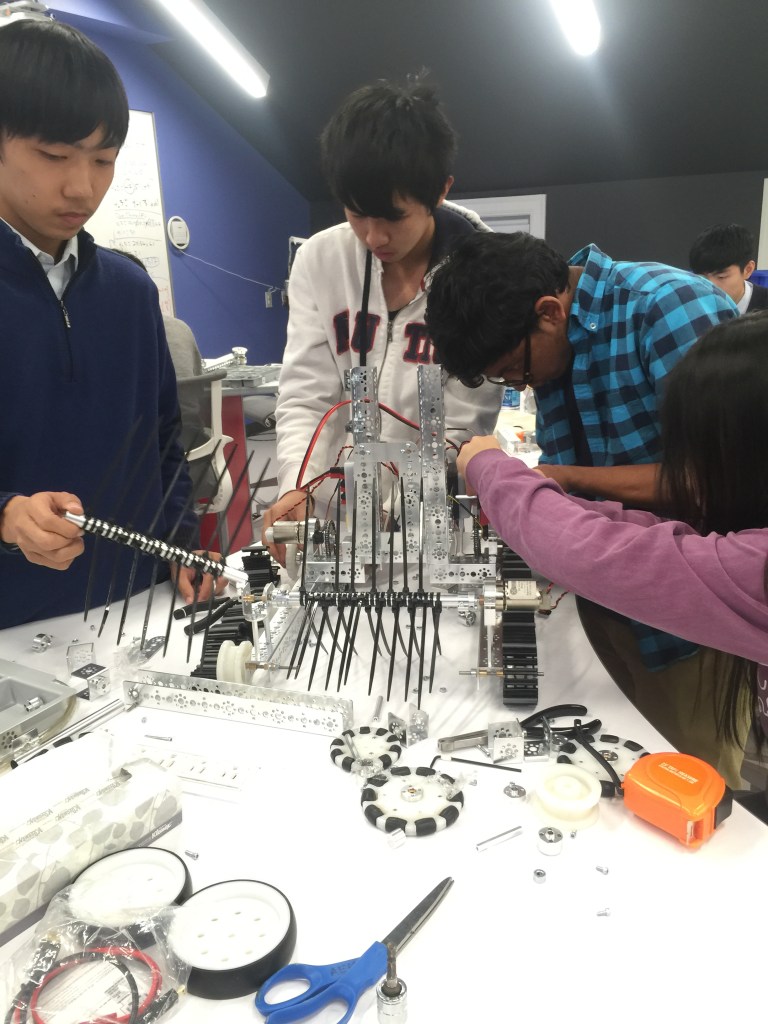
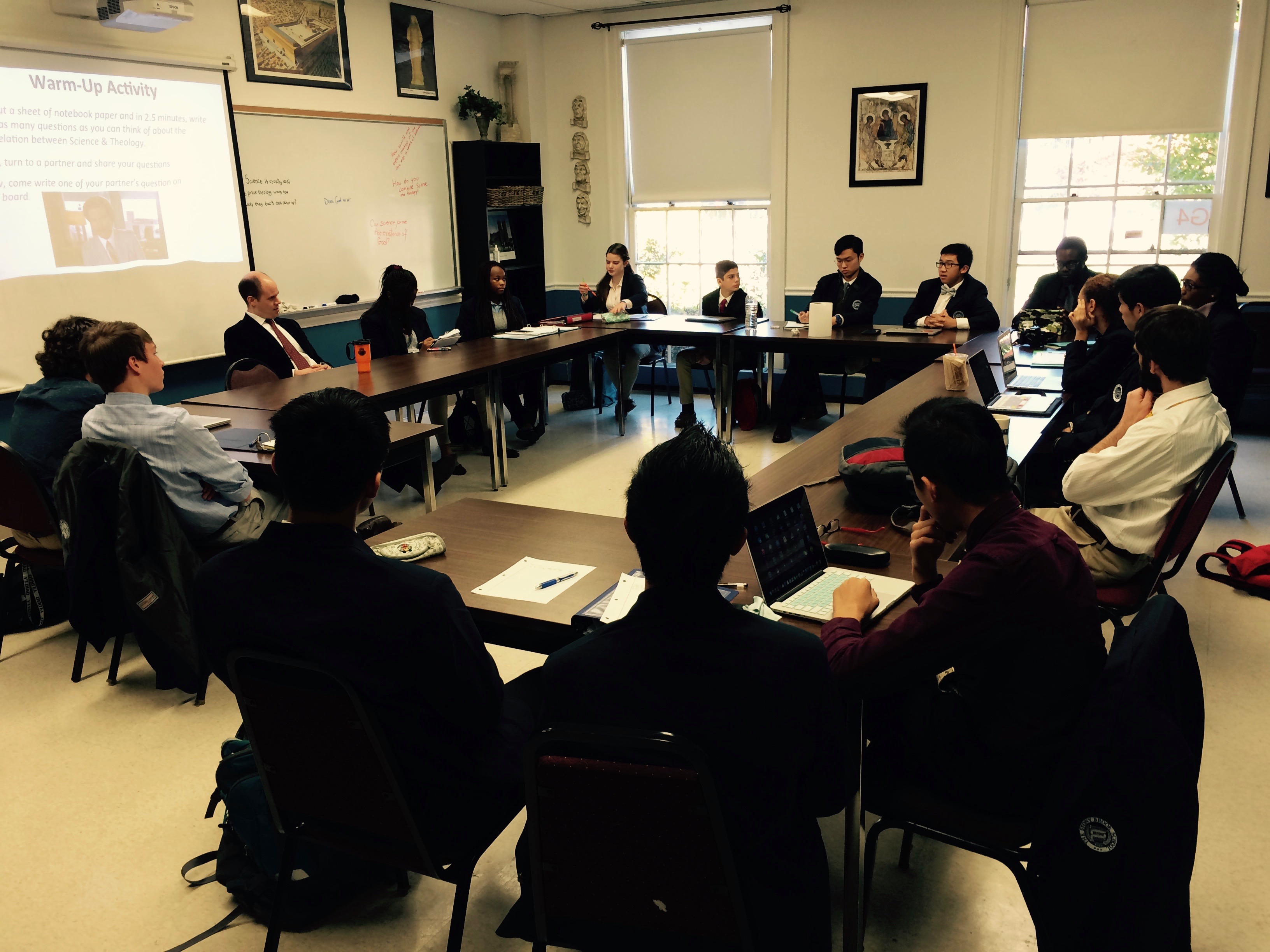
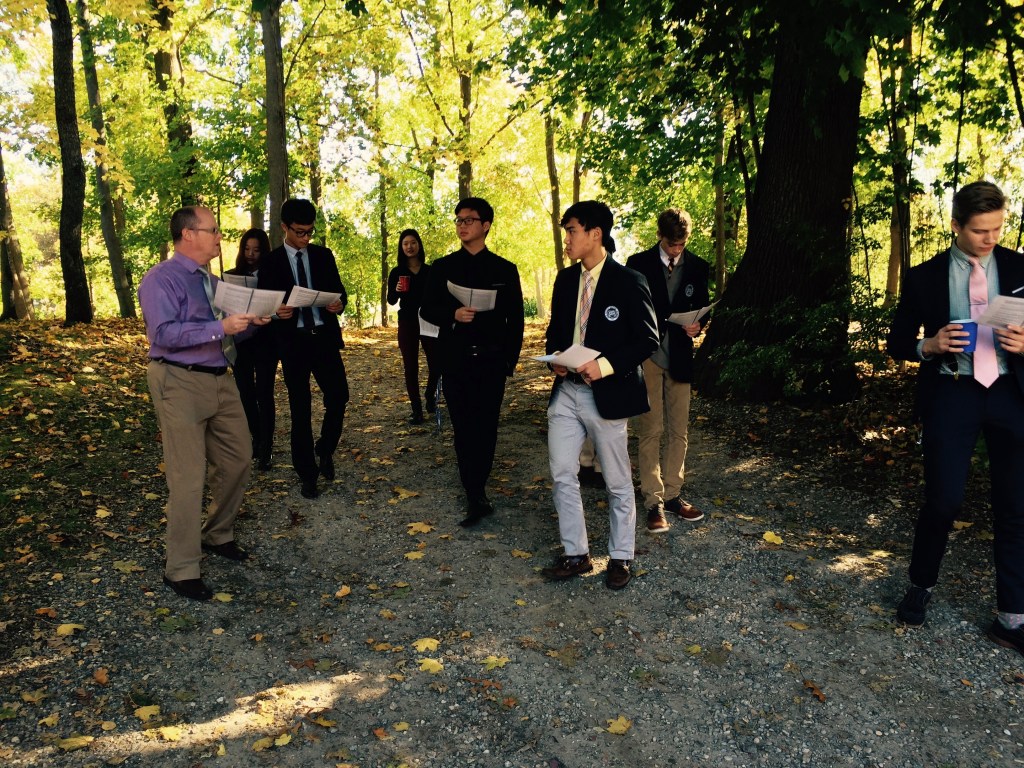
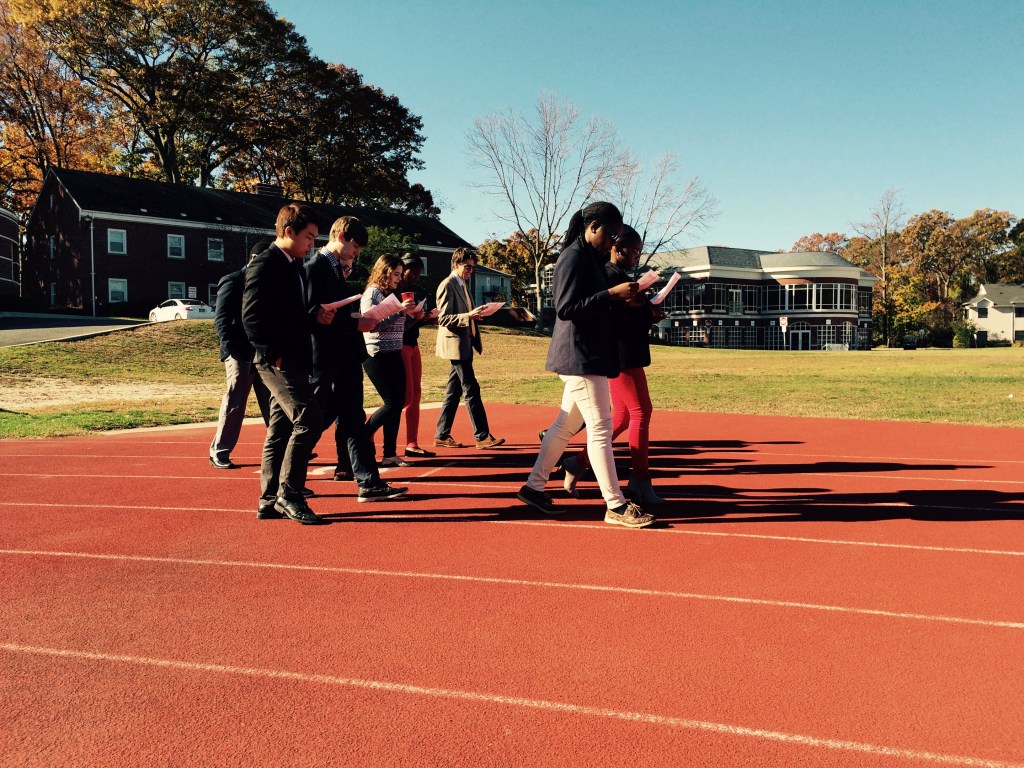
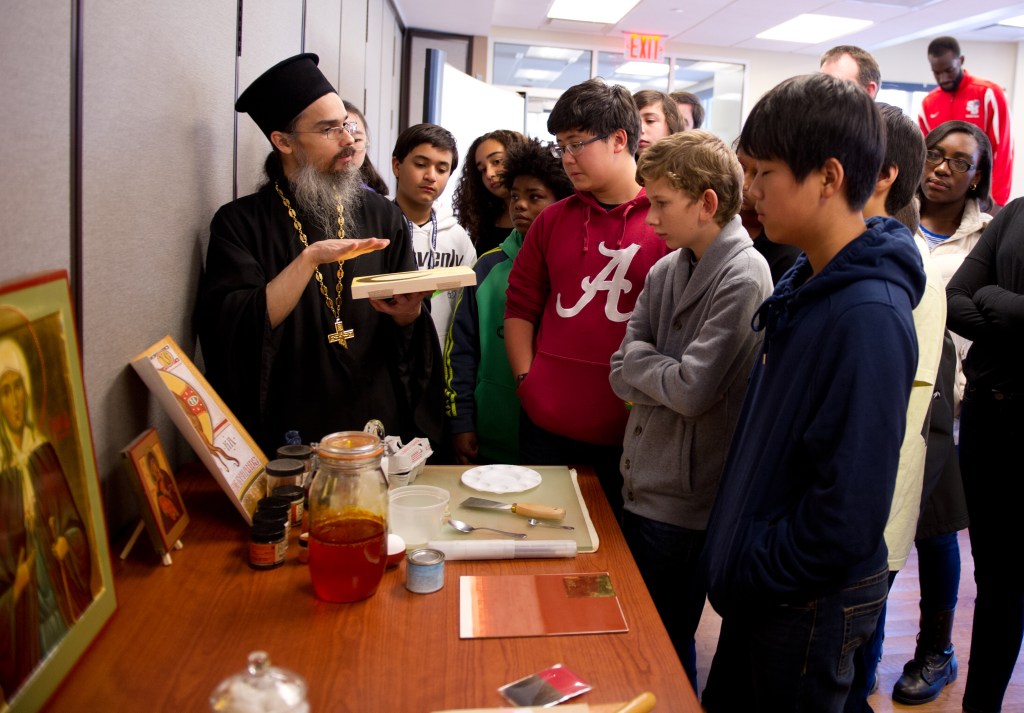
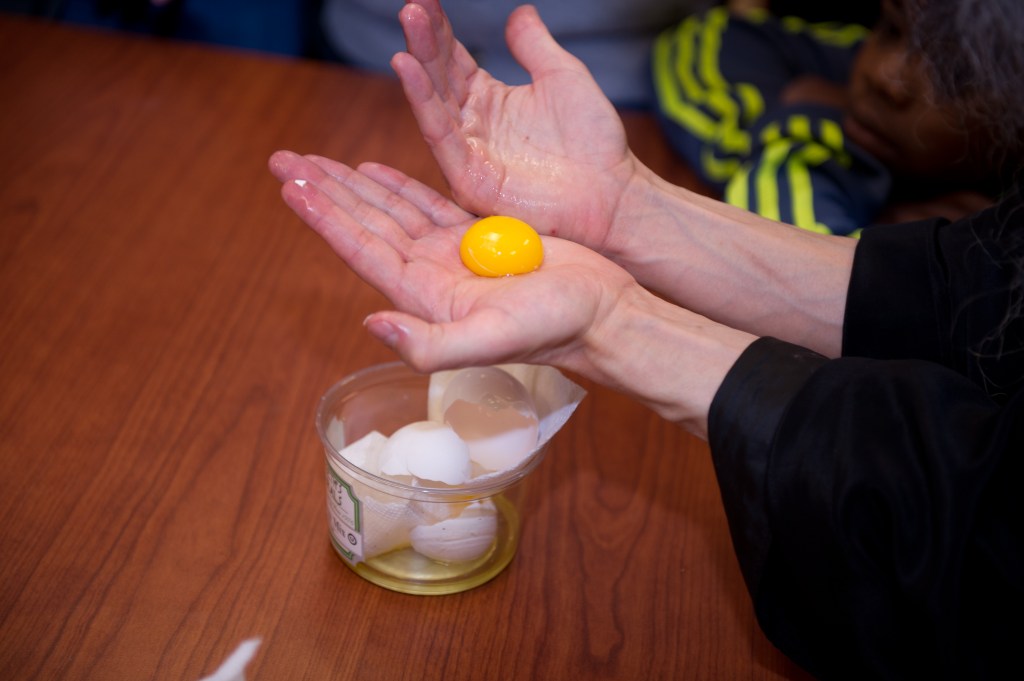
And now for some photos from the mini-courses!











_____________________________________________________________



[…] past December, I announced the results of our November trial run in my post, New Schedule Update. We are now ready to publish the updated schedule in its final form. To see what a normal week […]
LikeLike